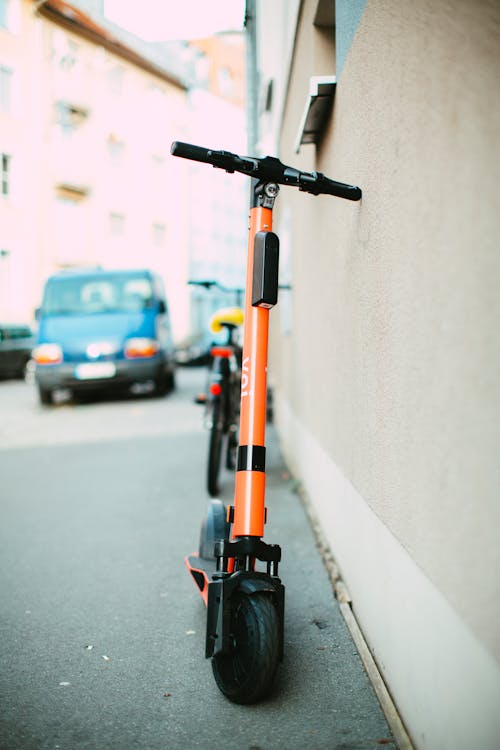
Electric scooters for adults are completely different from e-bikes, but a lot of people lump them together when they’re really solving different transportation problems. An electric scooter is a stand-up platform with handlebars, a motor, and a battery. You stand on it, push off to get going, twist the throttle or use a button to get power, and you’re zooming down the street. They’re fun, they’re practical for short commutes, and they’re becoming increasingly popular for adults who want something simpler than a bike. Let me walk you through what’s actually out there, what different models do, and what you actually should spend your money on if you’re thinking about getting one.
The basic difference between electric scooters and e-bikes is important to understand. An electric scooter has no pedals. You’re just standing on a platform. An e-bike has pedals and a motor that assists your pedaling. A scooter is more like an electric motorcycle or a motorized skateboard. An e-bike is a bicycle with a motor. For commuting in most urban environments, either can work, but they handle really differently and they’ve got different pros and cons.
Let’s start with budget models because a lot of people just want something cheap to see if they like riding a scooter. Budget models run $200 to $400. You’ve got brands like Xiaomi Mi 3, Gotrax, and similar companies making scooters at this price point. They typically have a range of 10 to 15 miles, a top speed of 15 to 18 mph, and a motor power of 150 to 250 watts. They’re not going to last forever, honestly. Budget scooters are heavier than they should be for the performance they give, the batteries aren’t as good, and they tend to need repairs more often. But if you just want to try out scooter commuting without dropping a lot of money, they work fine. You can ride one every day for a couple years and then it needs replacement or repair, which is fine if that’s what you paid.
Mid-range models, which I think most people should actually consider, run $400 to $800. These are really really where the value is. You get significantly better performance and durability compared to budget models for not that much more money. Mid-range scooters usually have a 250 to 350-watt motor, which gives you 20 to 25 mph top speed. They typically have a range of 20 to 30 miles, which covers most daily commutes without needing to charge mid-day. The batteries are better quality, the build is more solid, and they generally last longer. Brands like Segway Ninebot, Xiaomi Mi 3 Pro, and similar fill this price range. If you’re going to actually use a scooter regularly for commuting, a mid-range model is the smart choice.
Premium models run $800 to $2,000 or more. These are for people who want maximum performance and don’t mind spending the money. Premium scooters have dual motors, 1000+ watts total power, can do 40+ mph, have incredible range, and are built like tanks. Some have suspension systems, LED displays, phone app integration, and fancy features. They’re really impressive machines. But for most people’s actual commuting needs, they’re overkill. You don’t need a 40 mph scooter to get around your city unless you’re regularly going on highways, which you shouldn’t do on a scooter anyway.
Let me break down what you should actually prioritize when shopping. First is range. How far do you actually need to go? If it’s five miles each direction, even a budget scooter covers that. If it’s 15 miles each direction, you need a mid-range or premium model. Be honest with yourself about distance. Most people overestimate how far they actually need to go. Check your actual commute, then add a little buffer.
Second is speed. 20 to 25 mph is plenty fast for urban commuting. You’re not trying to set speed records. Faster is fun but it’s also less safe and burns battery quicker. Don’t optimize for top speed.
Third is weight. You have to carry this thing sometimes. Up stairs, on the bus, into an elevator, across your shoulder if you lock it up at work. A 30-pound scooter is annoying. A 50-pound scooter is really annoying. A 70-pound scooter is a pain in the butt. Most budget models are around 25 to 30 pounds, mid-range are 30 to 40 pounds, and premium models can be 45 to 60 pounds or even more. Weight matters way more than people think before they buy one.
Fourth is build quality and durability. A cheap scooter might feel fine when you first ride it, but after six months of regular use, things start creaking and failing. Spending a bit more on a solid mid-range model means you’ve got a scooter that’s still working perfectly after two years of riding. The initial cost difference is usually made up in how long it lasts.
Fifth is suspension or shock absorption. Budget scooters often have zero suspension, so you feel every bump and crack in the pavement. Mid-range models usually have basic suspension. Premium models have really good suspension systems. This matters more than people expect. Riding a scooter without suspension for long distances is tiring and uncomfortable. If you’re doing daily commutes on rough city streets, suspension is worth paying for.
Cost-wise, let’s compare a scooter commute to driving a car. Electricity costs are minimal. Charging a scooter battery costs maybe 10 to 20 cents, and you might need a charge every two days if you’re riding daily. That’s about $30 per year in electricity. Compare that to a car where you’re spending $150 to $300 per month on gas, that’s $1,800 to $3,600 per year. Parking is often free for scooters, or at least way cheaper than parking a car. Maintenance on a scooter is almost nothing if it’s built well. Compare that to a car where you’re doing oil changes, tire rotations, general maintenance. Insurance isn’t usually required for personal scooters, whereas cars require expensive insurance. The math is clear: a scooter costs way less than a car.
Insurance is one thing that confuses people. Most personal electric scooters don’t require insurance or registration in most states. That’s different from rental scooters you see on the street, which do require specific permits and coverage. But your personal scooter that you own and ride on public streets? Generally not required to have insurance. That said, if you hit someone or cause damage, your homeowner’s or renter’s insurance might cover it, or it might not. It’s worth calling your insurance company and asking. Some people get supplemental liability coverage just to be safe. It’s cheap, usually $50 to $100 per year, and covers you if you hurt someone.
Where you’re going to ride matters. If you’re in a city with good infrastructure and flat roads, almost any mid-range scooter works fine. If you’re dealing with hills, rough pavement, wet conditions frequently, you want something with suspension and good traction. If you’re in a city with a lot of loose gravel or sand, scooters are kind of a pain because the wheels are small and they can slip. Most people ride in reasonable conditions though, so this is only a problem if you’re in a specific situation.
Braking is more important than people think. Budget scooters often have mechanical drum brakes, which are fine but not amazing. Mid-range and premium models usually have electronic braking on the rear wheel, sometimes combined with mechanical braking on the front. Electronic braking is way more responsive and gives you better control. You really notice the difference between good brakes and okay brakes when you’re riding in traffic or on a downhill.
Tires matter too. Pneumatic tires (air-filled) are more comfortable but they can get punctured and they need occasional inflation. Solid tires (rubber) don’t puncture and don’t need maintenance but they’re harder and less comfortable. Most mid-range scooters use pneumatic tires, which is fine. Just accept that you might get a flat tire and need to fix or replace it.
Let me talk about how scooter commuting actually works. You get on your scooter at your house or parking spot. You ride it to your destination. When you arrive, you park it and lock it up with a cable lock. You walk to whatever building or area you’re going to. Later, you unlock it and ride it home. That’s the basic pattern. It’s simple and straightforward. The biggest headache is finding a secure place to lock it during the day. Some employers have scooter parking areas now. Some people lock them in bathrooms or closets at work. Some just lock them on a bike rack and hope for the best. It’s a real practical consideration.
Speed regulations vary by location. Some cities have speed limits for scooters on sidewalks, like 10 mph. Some say you can go faster on bike paths. Some cities have banned scooters entirely, which is really annoying. Before you buy one, check your local regulations. You don’t want to invest in a scooter and then find out they’re not allowed where you live.
Safety is important to talk about honestly. Electric scooters are fun but they’re dangerous. You’re standing on a small platform with tiny wheels, no protection, and relatively high speeds. Wipeouts happen. You really really need a helmet. A good helmet costs $50 to $150, and it’s not optional. You should also wear knee pads, elbow pads, and wrist guards, especially when you’re learning. That sounds like overkill but a lot of people have been seriously injured on scooters because they weren’t protected. Once you’re experienced and the scooter feels natural, you can dial back the protection a bit. But don’t skip the helmet ever.
Visibility matters. Some scooters come with lights, some don’t. If you’re ever going to ride at dusk or night, you absolutely need lights. Some mid-range and premium models have decent LED lights built in. Budget models often don’t. If your scooter doesn’t have lights, buy some after-market ones and install them.
The social aspect is real. Scooters are fun. Adults riding scooters used to be pretty rare, but it’s becoming normal now. People seem less annoyed at scooter riders than they used to, especially in cities that have adopted scooter culture. That’s not a practical concern, but it matters for how much you’ll actually enjoy riding.
Weather is a consideration. Scooters handle rain okay, but wet brakes are less effective and wet roads are slippery. Snow and ice make scooters dangerous. You can ride in light rain, but heavy downpours are rough. Cold weather reduces battery range because the battery works less efficiently in cold. Most people use scooters year-round in moderate climates and take a break when conditions get extreme.
Let’s compare an electric scooter to an e-bike for commuting purposes since that’s the obvious comparison. An e-bike is faster typically, has more range for the same price, and is more stable. A scooter is more fun, simpler to use, lighter and easier to carry, takes up less space, and is faster to learn. For pure practicality, an e-bike often wins. For fun and simplicity, a scooter often wins. If you’re trying to decide, think about what matters more to you.
Our guide to the best electric bikes might be helpful if you’re also considering e-bikes. We’ve got detailed comparisons at different price points and for different riding styles. For commuting specifically, our e-bike buying guide walks through what features matter for daily transportation. If you’re trying to understand the whole ecosystem of electric mobility, our article on how electric bikes work explains the technology, and similar principles apply to scooters.
The bottom line is this. A mid-range electric scooter at $500 to $700 is a solid choice for most urban adults who want a fun, practical, cheap commuting device. It’ll save you money compared to driving a car, it’s way more fun than sitting in traffic, and it’s simple enough that you’ll actually use it every day. A budget model works if you just want to try scooters out without committing much money. A premium model makes sense if you want maximum performance and don’t care about cost.
If you’re thinking about scooters as part of a broader electric mobility setup, check our homepage for the full range of options. We cover e-bikes, mobility scooters, electric skateboards, and more. Each serves different purposes and solves different transportation problems. A scooter might be perfect for your commute, or you might find that an e-bike or something else works better. The key is understanding what you actually need and what different devices are actually built to do.
One final thought: don’t get too caught up in specs and features. Go to a store if you can and actually stand on a scooter. Feel what it’s like. Ride it around the parking lot. That’s way more useful than reading reviews or comparing numbers. Your personal comfort and confidence on the device matters way more than whether it has this feature or that feature. The best scooter is one you’ll actually ride every day, not the one with the most impressive specs that sits in your garage.