
CycleBoard Rover 3-Wheel Electric Vehicle Overview
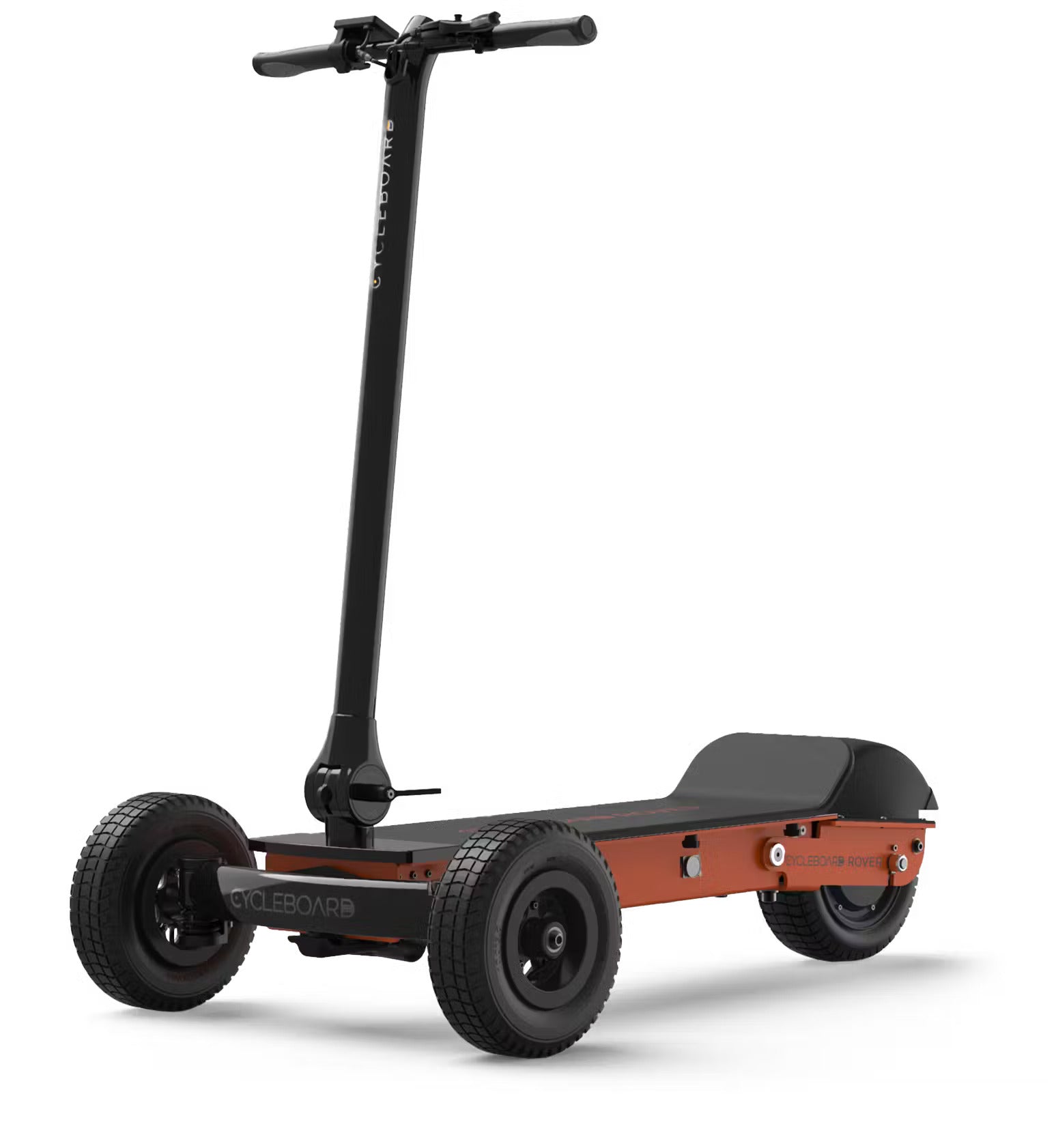
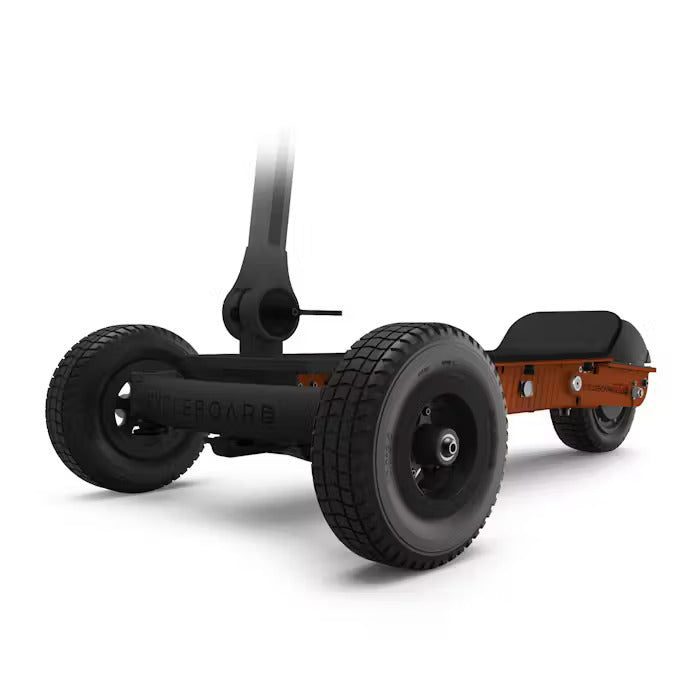
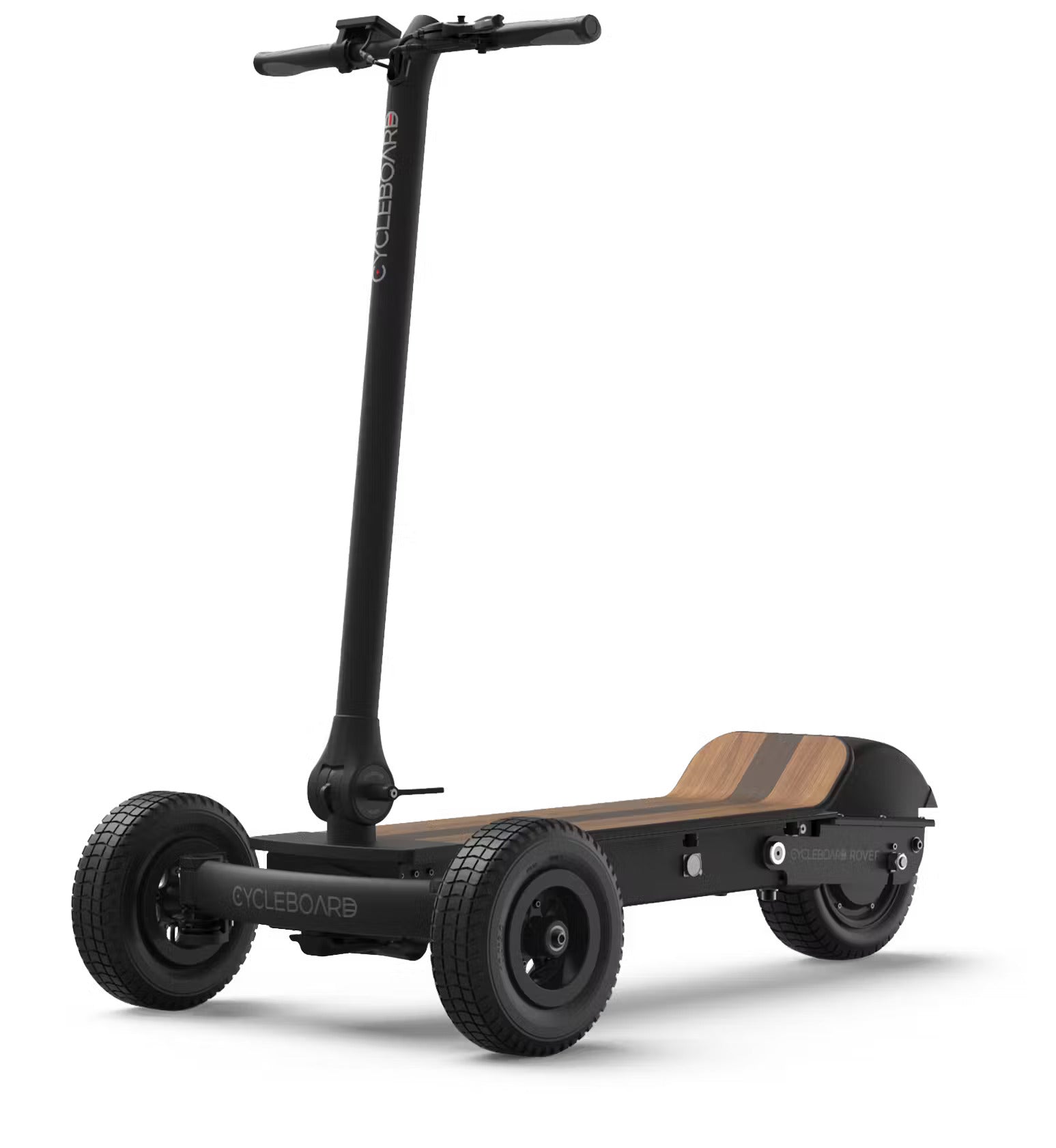
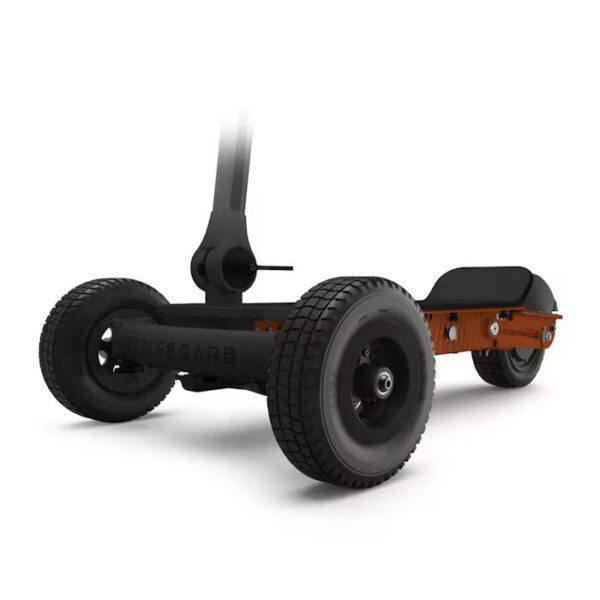
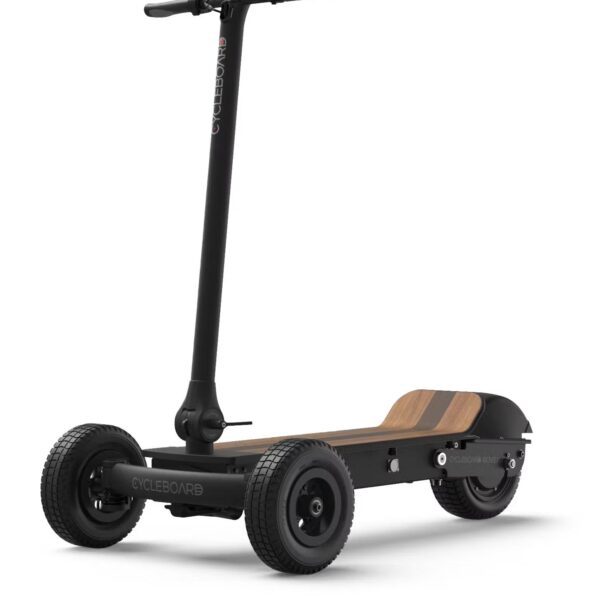
The CycleBoard Rover is the three-wheel electric vehicle for riders who want stability, power, and the distinctive lean-to-steer riding experience of the CycleBoard platform in a more compact package. An 1800W brushless rear hub motor, a 60V 1152Wh battery delivering up to 40 miles of range, and a top speed of approximately 27 mph give the Rover genuine performance capability. The three-wheel design provides excellent stability that exceeds conventional two-wheel scooters while remaining more nimble than the four-wheel X-Quad. Independent front and rear suspension, electronic plus hydraulic disc braking, and 10-inch all-terrain pneumatic tyres complete a package that handles both urban commuting and off-road recreational riding with equal confidence.
Who Is the Rover For?
The Rover is built for riders who want a capable electric vehicle with the stability advantage of multiple wheels but prefer a slightly more compact footprint than the four-wheel X-Quad platform. It suits commuters who face mixed terrain on their daily routes and want reliable traction and suspension comfort. It suits recreational riders who want to explore trails and off-road surfaces on a capable, stable vehicle. And it suits anyone who has tried two-wheel electric scooters and found the balance demands frustrating or limiting, but wants something more agile than a full four-wheel vehicle.
Key Features and Benefits
- 1800W Brushless Rear Hub Motor: Silent, powerful motor delivers 0 to full speed in 4 to 5 seconds, with enough torque to climb hills and handle tough terrain without hesitation.
- 60V 1152Wh Battery: Large capacity battery delivers up to 40 miles of range per charge from a 60V system that maintains consistent torque throughout the discharge cycle.
- Up to 40 Mile Range: Sufficient for extended daily commutes and recreational outings on a single charge.
- Approximately 27 mph Top Speed: Practical performance for both urban and recreational riding environments.
- Three-Wheel Stability Platform: Three wheels provide significantly more stability than two-wheel scooters, particularly at low speeds, on uneven terrain, and during cornering.
- Independent Front and Rear Suspension: Smooths out bumps, potholes, and trail variation for a more comfortable, controlled riding experience.
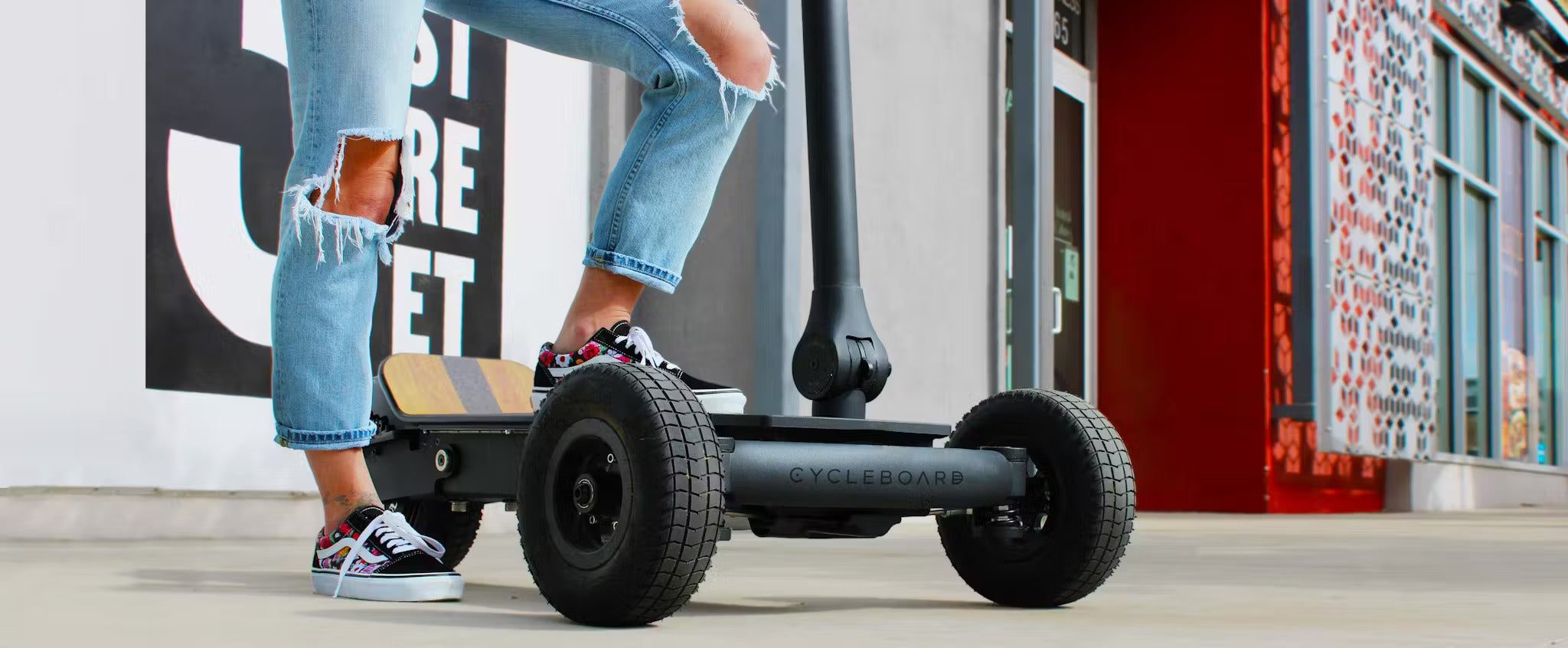
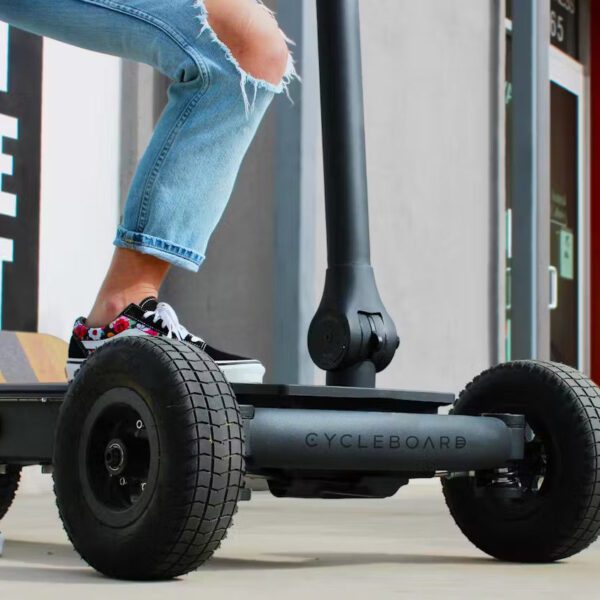
- 10″ x 3″ All-Terrain Pneumatic Tyres: Air-filled tyres absorb vibration and provide traction across dirt, gravel, grass, and paved surfaces.
- Electronic + 160mm Hydraulic Rear Disc Braking: Combined braking system uses motor regeneration for smooth initial deceleration and hydraulic disc for firm, reliable stopping power.
- Patented Lean-to-Steer System: Body-weight steering delivers the intuitive, engaging riding experience that defines the CycleBoard platform.
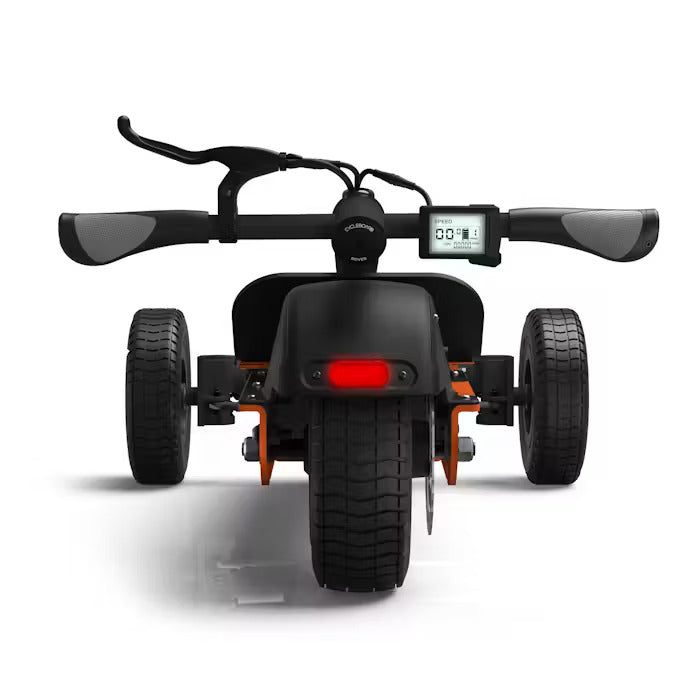
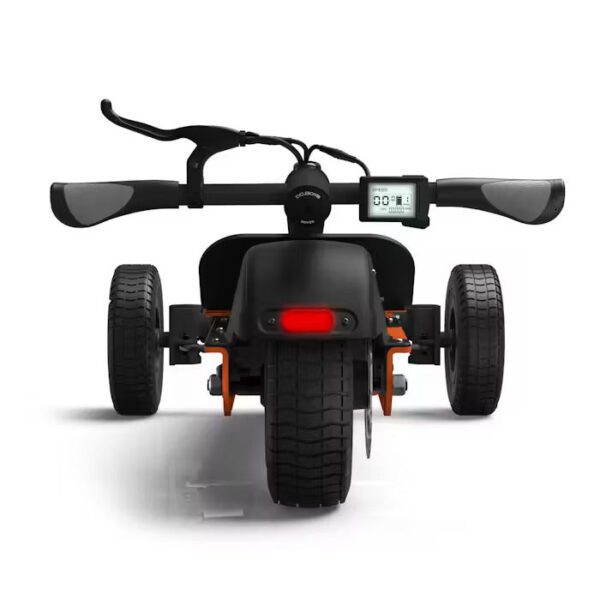
- LCD Display with Integrated Throttle: Monitor speed, trip data, battery level, and ride mode clearly during riding.
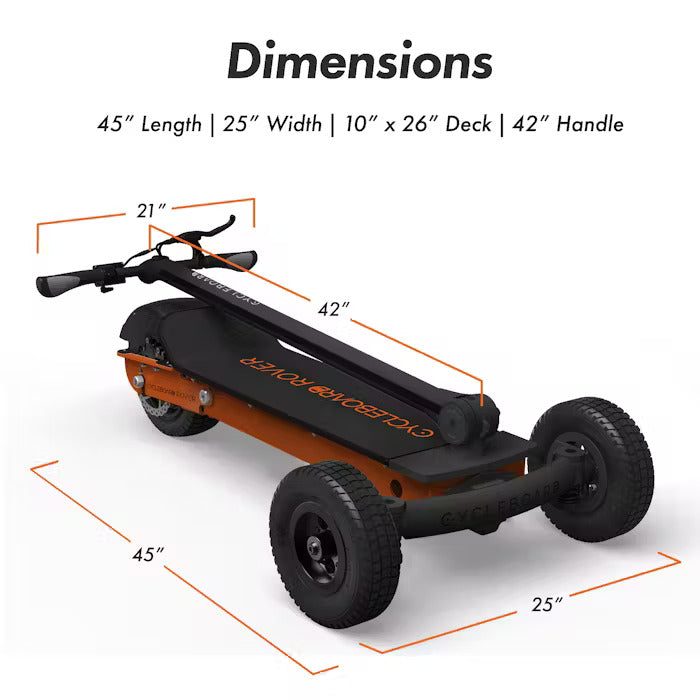
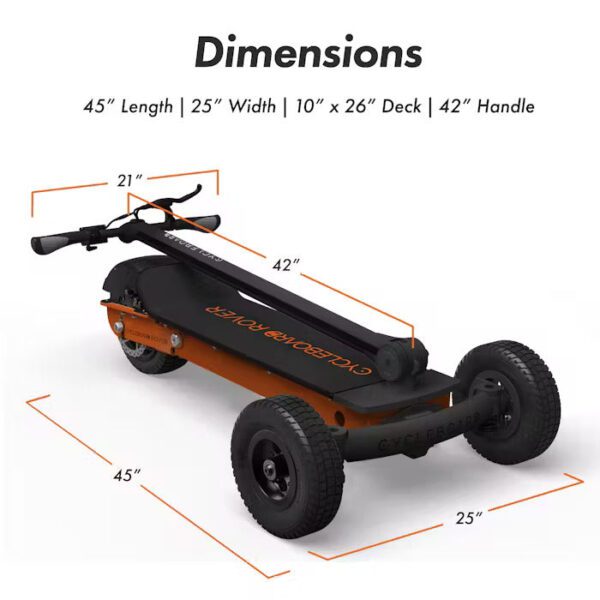
- 10″ x 26″ Wood Laminate Deck with Grip Tape: Natural feel underfoot with practical grip for secure foot placement during all riding conditions.
- Reinforced 42″ Stainless Steel Handlebar: Strong, durable handlebar that provides a stable reference point for balance without being used for steering.
- Aircraft-Grade Aluminium Frame: Lightweight and durable construction for long-term outdoor use.
- 275 lb Maximum Rider Weight: Suitable for most adult riders.
- Integrated Rear Brake Light: Visibility for following traffic when braking.
Lean-to-Steer: CycleBoard’s Patented Technology
The lean-to-steer system is what makes CycleBoard vehicles fundamentally different from every other electric scooter on the market. On a conventional scooter, you turn the handlebars to steer, which creates a mechanical disconnection between your body movement and the vehicle’s direction. On a CycleBoard, the handlebar does not turn. Instead, the vehicle steers by detecting your body lean – shift your weight left and the vehicle turns left, shift right and it turns right. This creates a riding experience that feels immediate, instinctive, and connected in a way that handlebar steering simply cannot achieve.
The practical benefits extend beyond the riding feel. Lean-to-steer provides more intuitive control at speed, makes carving through corners more natural, and reduces the physical effort of navigation in urban environments where direction changes are frequent. Riders who have experience with surfing, snowboarding, skateboarding, or any other lean-steered activity will find the CycleBoard immediately familiar. Those without that background find that the learning curve is shorter than expected because the steering response is aligned with natural human instincts about balance and direction.
Three-Wheel vs Four-Wheel: Understanding the Difference
The Rover and X-Quad 3000 both use CycleBoard’s lean-to-steer system and share the brand’s commitment to multi-wheel stability, but they serve different rider preferences and use cases. The X-Quad’s four-wheel design provides maximum stability at all speeds including stationary, and its dual 1500W motors deliver more total power for steep terrain and heavy loads. The Rover’s three-wheel configuration is more compact, lighter, and slightly more nimble in urban environments where tighter turns and smaller footprint matter. The single 1800W motor is powerful for most terrain and use cases, and the three-wheel platform still provides dramatically more stability than any two-wheel scooter.
For riders who primarily commute in urban environments with occasional off-road use, the Rover’s more compact three-wheel format may be the better fit. For riders who regularly face challenging off-road terrain, need maximum stability on varied surfaces, or want the top performance ceiling that dual motors provide, the X-Quad 3000 is the appropriate choice.
Pneumatic Tyres: Why They Matter on the Rover
The Rover’s 10-inch by 3-inch pneumatic (air-filled) tyres are a meaningful comfort and performance feature that distinguishes it from electric vehicles equipped with solid tyres. Pneumatic tyres absorb road vibration through tyre compression before those forces reach the deck and rider. On urban surfaces with typical potholes and pavement joints, the result is a noticeably smoother, more comfortable ride over longer distances. On off-road surfaces with rocks, roots, and loose material, pneumatic tyres maintain better contact with the ground and provide more predictable traction than solid alternatives.
The 3-inch width of the Rover’s tyres is well-matched to the vehicle’s intended use across mixed surfaces. Narrower than the X-Quad’s fat tyres but substantially wider than typical scooter tyres, this width provides good grip on varied terrain without the additional weight and rolling resistance that very wide fat tyres introduce.
Electronic and Hydraulic Braking
The Rover uses a two-stage braking system that combines electronic motor braking with a 160mm hydraulic disc brake. When you begin to slow down, the motor acts as a generator, creating resistance that decelerates the vehicle smoothly while simultaneously recovering energy back into the battery. This regenerative effect provides gradual, progressive initial deceleration that is comfortable and predictable. As you apply the brake lever more firmly, the hydraulic disc engages for firm, immediate stopping power when you need it.
This combination is superior to either system alone. Pure hydraulic braking provides excellent maximum stopping force but no smooth initial deceleration or energy recovery. Pure electronic braking provides smooth deceleration but limited maximum stopping force. The Rover’s combined system delivers the benefits of both while the driver transitions naturally between stages based on how much braking force the situation requires.
| Motor | 1800W Rear Hub Motor (Brushless, Silent) |
|---|---|
| Battery | 60V, 1152Wh |
| Range | Up to 40 miles per charge |
| Top Speed | Approximately 27 mph |
| Charge Time | Standard charge via 3A smart charger |
| Charger Input | 100V-240V universal |
| Frame | Aircraft-Grade Aluminium |
| Suspension | Independent front and rear |
| Brakes | Electronic + 160mm hydraulic rear disc |
| Tyres | 10″ x 3″ All-Terrain Pneumatic |
| Deck | 10″ x 26″ wood laminate with grip tape |
| Handlebar | Reinforced stainless steel, 42″ |
| Lighting | Rear integrated brake light |
| Max Rider Weight | 275 lbs |
| Steering | Lean-to-steer |
| Wheels | 3-wheel configuration |
Frequently Asked Questions
How far can the Rover travel on a full charge?
The Rover delivers up to 40 miles of range per charge under typical riding conditions. Actual range varies with rider weight, terrain, speed, and temperature.
How does lean-to-steer feel compared to conventional scooter steering?
Most riders describe it as more intuitive and engaging than handlebar steering. The directional response aligns with natural body balance instincts, making it feel immediate and connected rather than mechanical. Most riders feel comfortable within a few minutes of practice.
Can it handle off-road terrain?
Yes. The Rover’s all-terrain pneumatic tyres, independent suspension, and 1800W motor make it capable on gravel, dirt, and grass surfaces. It is designed for mixed urban and off-road use.
What colours is it available in?
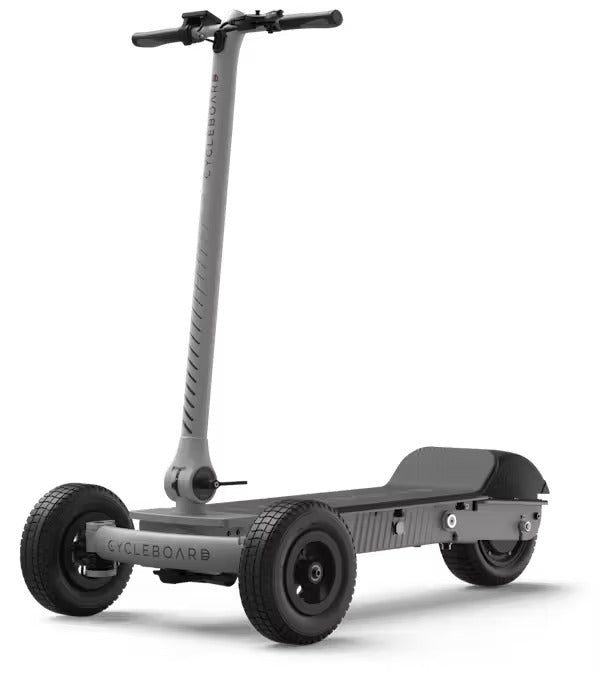
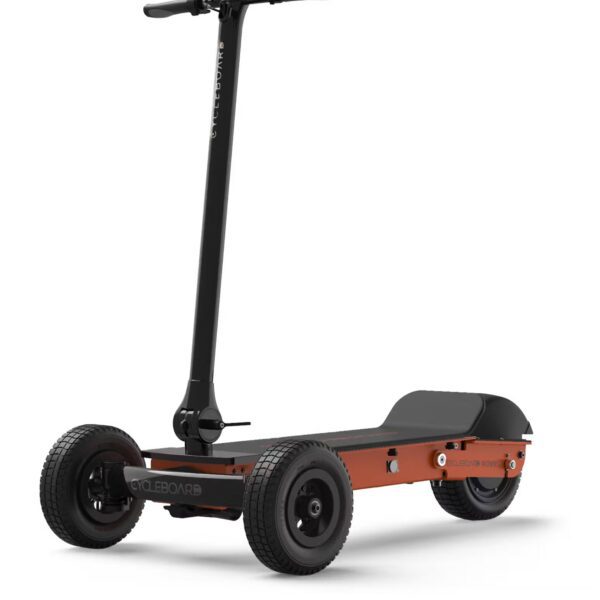
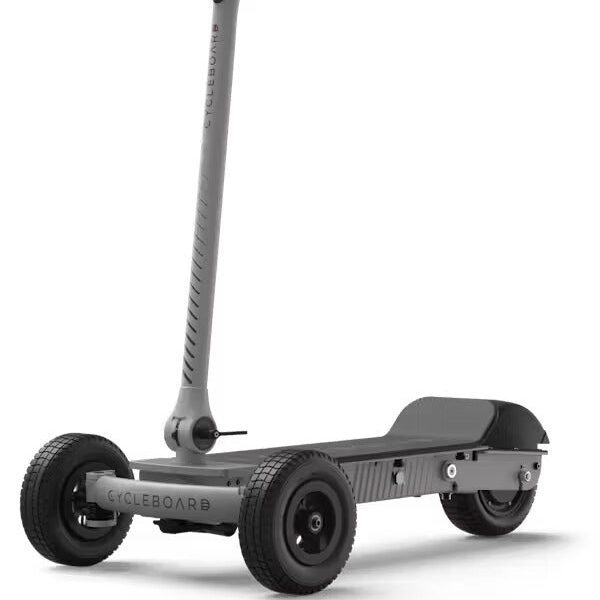
The Rover is available in Phantom Black/Woody, Ghost Grey, and Gunmetal Grey/Burnt Orange.
Does Electric Bikes Paradise offer financing?
Yes. Flexible financing is available. Visit our financing page to apply.
Electric Vehicle Safety and Regulations
CycleBoard vehicles are powerful electric vehicles that operate at speeds requiring appropriate safety practices. Always wear a properly fitted, certified helmet on every ride. At the speeds the X-Quad 3000 and Rover are capable of reaching, additional protective gear including wrist guards, knee pads, and elbow pads is strongly recommended for new riders and during any session on unfamiliar terrain.
Take time to learn your CycleBoard vehicle in a controlled environment before riding in traffic, crowded spaces, or challenging terrain. The lean-to-steer system is intuitive but requires a short adaptation period. Spend your first sessions on flat, open ground at low speed modes, building familiarity with how the vehicle responds to your weight shifts before progressing to higher speeds and more complex environments. The graduated speed mode system is designed precisely for this progressive learning approach.
Electric vehicle regulations vary significantly by jurisdiction. Some areas permit electric vehicles like the X-Quad and Rover on cycle infrastructure, others restrict them to private property, and some require registration or age restrictions. Always research the specific rules in your area before riding on public roads, paths, or cycle lanes. The CycleBoard vehicles are powerful enough to reach speeds that make regulatory compliance important for both legal and safety reasons.
Comparing CycleBoard Models: X-Quad 3000 vs Rover
The two primary CycleBoard platforms serve different rider profiles. The X-Quad 3000 and X-Quad 3000 Golf Package use a four-wheel design with dual 1500W motors for 3000W of combined peak power, maximum terrain stability, and the highest payload capacity at 350 lbs. The four-wheel design means the vehicle stands stable on its own at all speeds including stationary, making it the most accessible option for riders who want stability as a primary feature. It also provides the longest range at 50-plus miles and the broadest speed range with four distinct modes including reverse.
The Rover uses a three-wheel design with a single 1800W motor and delivers up to 40 miles of range. It is more compact than the X-Quad, making it slightly more nimble in tight urban environments. The three-wheel design provides excellent stability that exceeds two-wheel scooters by a significant margin, while the single motor is sufficient for most terrain and use cases. For riders who want a more compact footprint alongside the lean-to-steer CycleBoard experience, the Rover is the right choice.
Both models use CycleBoard’s patented lean-to-steer technology, aircraft-grade aluminium frames, independent suspension, and the premium build quality that defines the CycleBoard platform. The choice between them comes down primarily to whether maximum power and stability or compact size is the higher priority for your specific use case. Our team at Electric Bikes Paradise is available to help you work through that decision. Contact us any time.
Financing Your CycleBoard
Electric Bikes Paradise offers flexible financing options through our lending partners, making CycleBoard vehicles accessible across a wide range of budgets. Monthly payment plans spread the purchase cost into manageable instalments with competitive interest rates and quick approval decisions. Visit our financing page to explore current offers and apply in minutes. A CycleBoard that expands your recreational options, simplifies your commute, or brings a new dimension to your golf game is a purchase worth financing rather than delaying.
Warranty and Support
Every CycleBoard product sold through Electric Bikes Paradise is backed by a 1-year manufacturer warranty. If you have questions about your vehicle, need a replacement part, or run into any issue after delivery, contact our team directly at +1 (307) 429-0021 or visit our Warranty Policy page for full details.
Why Buy from Electric Bikes Paradise?
At Electric Bikes Paradise, we carry only the brands and products we would put our own family on. Every product we stock is vetted for quality, performance, and value. When you order from us, you get free shipping across the continental US with no hidden freight charges, no sales tax on most orders, and a Low Price Guarantee. Our team is here to answer pre-purchase questions and help you choose the right model and configuration for your riding needs. We offer flexible financing options so you can get riding sooner. Contact us any time and a real person will respond.
About CycleBoard
CycleBoard is an American electric vehicle company that has built its reputation on a genuinely different approach to personal electric transport. Their signature lean-to-steer technology, patented and exclusive to CycleBoard, creates a riding experience that feels fundamentally different from conventional scooters – more intuitive, more physical, and more engaging. Rather than turning a handlebar to change direction, CycleBoard riders lean into turns the way a surfer, snowboarder, or skateboarder does, creating a natural, connected riding feel that conventional scooter steering cannot replicate.
The X-Quad platform represents CycleBoard’s most ambitious engineering: a four-wheel electric vehicle with the stability of an ATV, the agility of a scooter, and the lean-to-steer dynamics of a board sport. The Rover brings the same lean-steering philosophy to a three-wheel configuration that delivers excellent stability for riders who want a capable electric vehicle without the learning curve or physical demand of two-wheel alternatives. Every CycleBoard is built from aircraft-grade aluminium and engineered for both urban and off-road use.